



Liquidators

The right decisions at the right time.

About your recovery partner

Accountants Daily Finalists, Fastest Growing Firm
AFR Top lOO Accounting Firms
CA and CPA Qualified Accountants
National Team
ASIC Registered Liquidators
ARITA Professional Members

What is Liquidation?

Liquidation is the process of closing a company and using its assets to repay creditors. For insolvent companies, it’s often the most responsible way to manage debts. For solvent companies, it may simply be time to close the doors. With the right guidance, liquidation can be a chance to move forward with clarity and peace of mind.

Why Consider Liquidation?

If your business is overwhelmed by tax debt, ATO notices, or creditor demands, liquidation can offer a clean break. It allows you to settle debts, avoid trading while insolvent, protect personal assets, and reduce ongoing stress, giving you the chance to move on with clarity.

From creditors meetings to selling assets, discover the process of liquidation with our step-by-step guide.

How liquidation can help you

Cost-effective method of winding down your business
Put an end to hassling calls from creditors
Reduce stress and pressures from financial challenges
Solve your Directors Penalty Notice (DPN)

Our Liquidation Services

Creditors' Voluntary Liquidation

In a Creditors’ Voluntary Liquidation, our ASIC-registered liquidators support directors by dealing with the formal steps of liquidation like convening shareholder meetings. We manage the entire process, reducing stress and helping you move forward with confidence.

Members' Voluntary Liquidation

Closing a solvent company doesn’t have to be complicated. We handle the communication with stakeholders, manage the liquidation process, and ensure assets are distributed smoothly and transparently.

Provisional Liquidation

A Provisional Liquidator can help safeguard your company during uncertain times. We step in to take control, limit further damage, and protect the business while key issues are resolved.

Simplified Liquidation

If your company owes less than $1 million, you may qualify for this streamlined alternative to CVL. We’ll handle the process with clarity and care, helping you wind up the right way.

Find an office

Sydney (Head Office)

Level 12, 20 Bridge Street, Sydney NSW 2000

Brisbane

Level 14, 120 Edward Street, Brisbane City QLD 4000

Melbourne

Level 16, 90 Collins Street, Melbourne VIC 3000

Perth

Level 2, 68 St Georges Terrace, Perth WA 6000

Parramatta

8 Parramatta Sq, Parramatta NSW 2150

Thailand

3300/92, Elephant Tower, F/16 Building B, Phaholyothin Road, Chompon, Chatuchak, Bangkok, Thailand 10900

Why Choose Mackay Goodwin?

Mackay Goodwin excels in navigating the complexities of corporate financial distress, providing expert solutions and end-to-end support. Our proven track record and commitment to recovery make us a steady guide in uncertain times.

Act Now for the Best Outcome

We offer a full suite of services to support your business at every stage. From voluntary administration and corporate restructuring to personal insolvency, our experts are here to guide you towards stability and long-term success.

Ready to discuss your options? If you're facing financial pressures, acting quickly can significantly impact your options and outcomes. Get in touch early so we can help you make informed decisions about your company’s financial health.

Meet our Liquidators

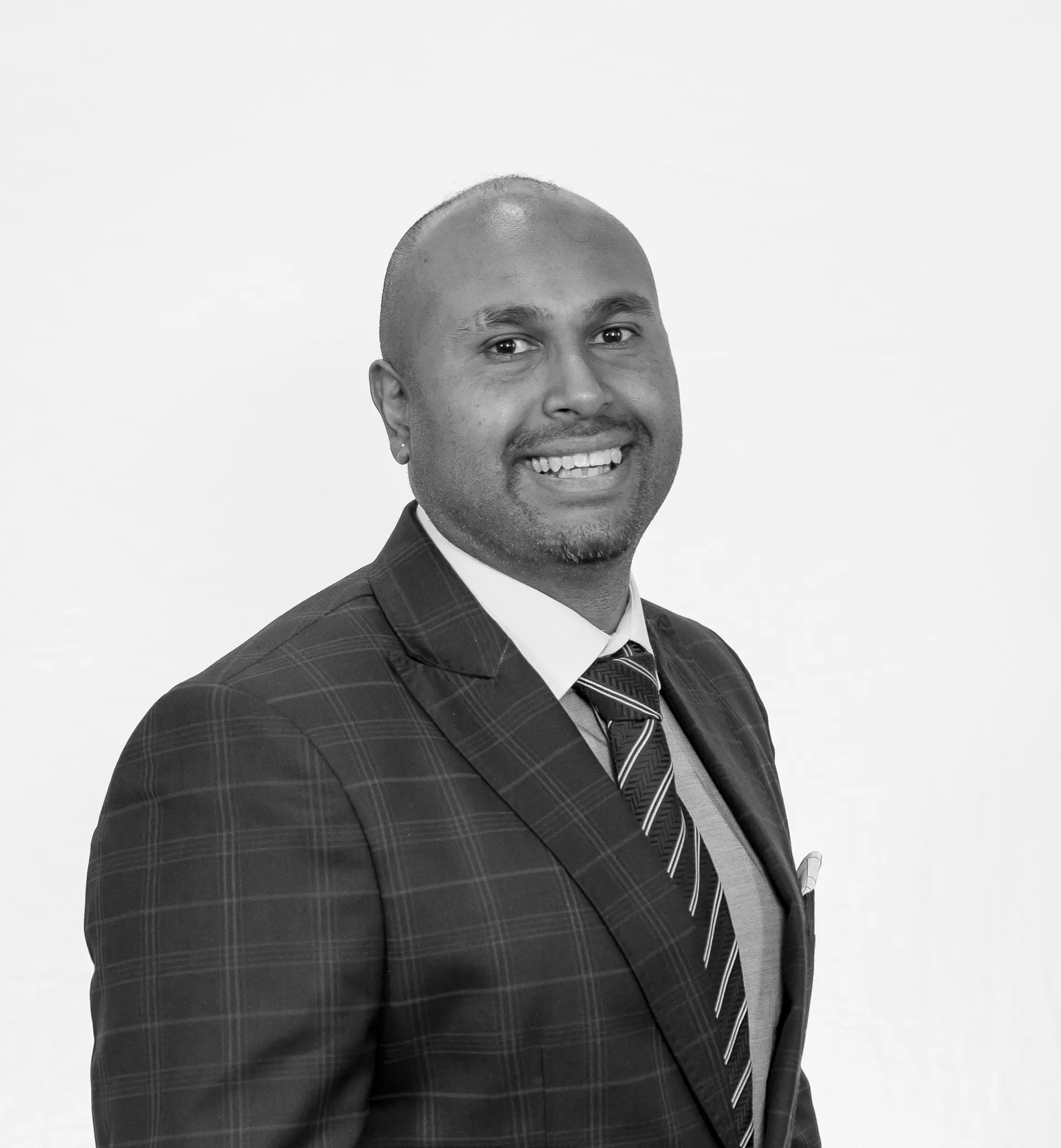
Edwin NarayanEdwin Narayan hover

Edwin Narayan

Director & ASIC Registered LiquidatorSydney

Edwin is a valuable member of the senior Mackay Goodwin team, with a huge amount of expertise and experience in running a range of different Deed of Company Arrangement proposals, for Administrations across a diverse range of industry sectors, and in all states across Australia.

Read More
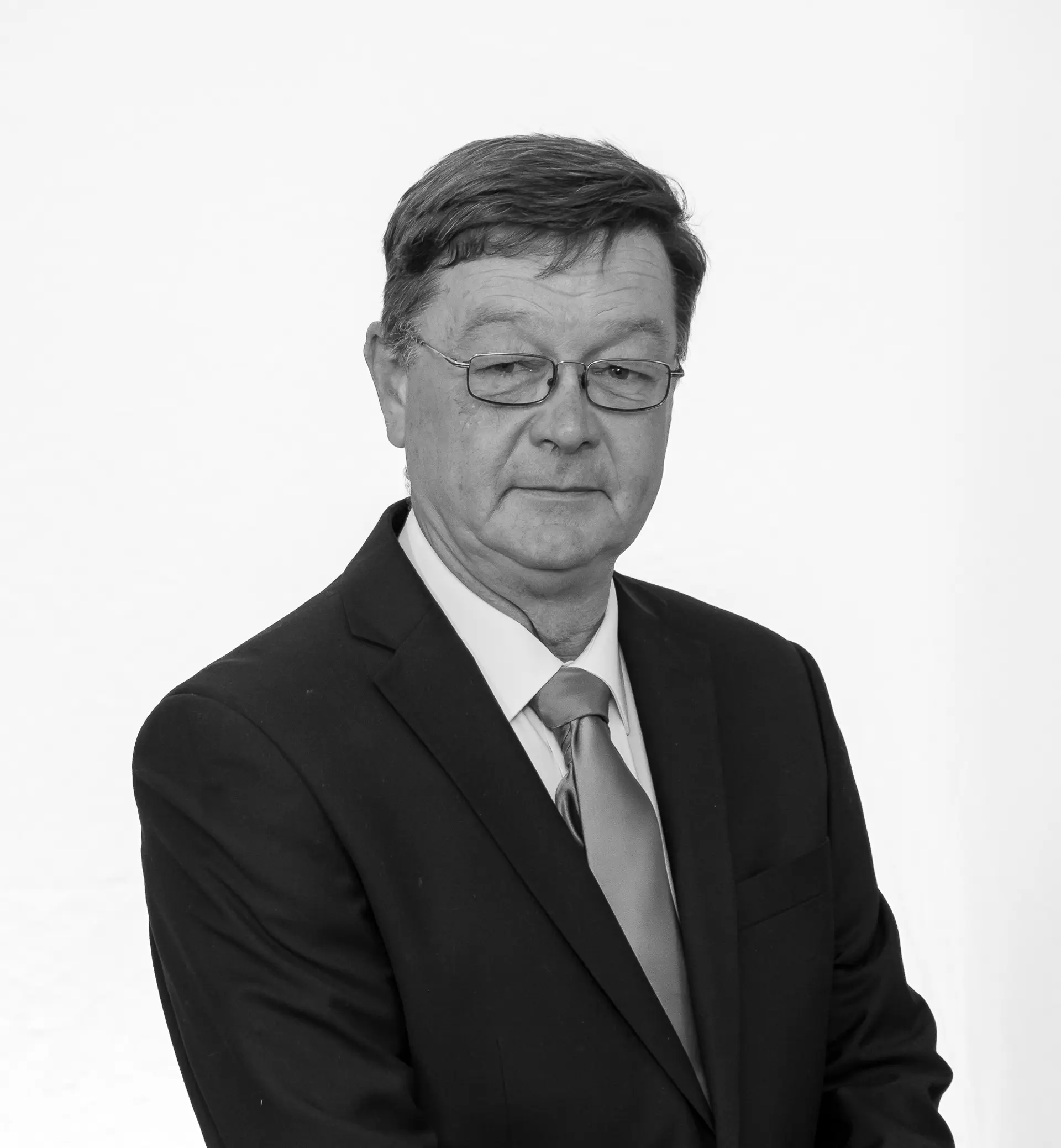
David HurstDavid Hurst hover

David Hurst

Director & ASIC Registered LiquidatorSydney

David has a wealth of experience across receiverships, voluntary administrations and liquidations together with restructuring and turnaround engagements. Growing up in Bathurst, NSW, David’s interest in agriculture and passion for motorsport translates to his hands-on approach in the insolvency industry. Taking upon a broad range of appointments, David provides a thorough analysis of the current situations his clients are facing and provides the best possible outcome for them and other stakeholders. David’s experience allows him to draw on a broad range of prior appointments and their unique nature to facilitate the survival of a business where possible by using achievable arrangements.

Read More
Mitch BallMitch Ball hover

Mitch Ball

Chief of Insolvency Operations & ASIC Registered LiquidatorSydney

Mitchell has 20 years’ experience in corporate insolvency and restructure. Mitchell is a Registered Liquidator having working on many types of corporate appointments. He has managed complex liquidations and voluntary administrations in numerous industries with expertise in property, finance, manufacturing, IT and building and constructions. Mitchell brings value to appointments from start to finish, from marketing and having initial contact with clients to achieving exceptional outcomes.

Read More
Grahame WardGrahame Ward hover

Grahame Ward

Director & ASIC Registered Liquidator

Grahame Ward is a Registered Liquidator and Administrator with expertise in industries like property, tourism, transport, hospitality, and manufacturing. Since 1996, he has specialised in corporate and personal insolvency, reorganisation, restructuring, and crisis management. As a Chartered Accountant and Official Liquidator, Grahame is known for delivering timely and practical advice, especially in complex insolvency matters. He is actively involved in professional development through ARITA, sharing his knowledge as a workshop leader. Grahame is committed to achieving positive outcomes for stakeholders, offering reliable support during challenging financial situations.

Read More
Gavin KingGavin King hover

Gavin King

Director, ASIC Registered Liquidator & AFSA Registered Bankruptcy TrusteeSydney

Gavin King is a seasoned business advisor and insolvency expert with extensive experience in corporate restructuring and turnaround management. Over the course of his career, Gavin has helped numerous businesses navigate complex financial challenges, providing tailored solutions that maximise stakeholder value. Specialising in insolvency administration, he brings a hands-on approach to managing voluntary administrations, liquidations, and corporate workouts. With a proven track record of leading successful recovery processes, Gavin leverages his deep industry knowledge to guide businesses through periods of distress, ensuring they emerge stronger and more resilient.

Read More
Andrew Quinn

Andrew Quinn

Director & ASIC Registered LiquidatorBrisbane

Andrew Quinn is a seasoned professional in the insolvency and restructuring industry, serving as a Director at Mackay Goodwin. With a deep understanding of complex financial challenges, Andrew has guided numerous businesses through voluntary administrations, liquidations, and corporate restructurings. His industry experience spans across sectors including construction, hospitality, and professional services, providing him with a diverse skill set to address each client’s unique needs.

Andrew’s strategic approach focuses on achieving the best possible outcomes for all stakeholders while navigating businesses through periods of financial adversity. His commitment to providing tailored solutions ensures that businesses receive the support they need to recover and thrive in challenging times.

Read More

FAQs

In most cases, no, liquidators cannot take your personal assets, including your house, if the company is a separate legal entity and you haven’t given personal guarantees.

However, your home may be at risk if:

  • You personally guaranteed company debts
  • You used your house as security for a business loan
  • You traded while insolvent and are found personally liable

It’s best to seek advice to understand your specific situation.

A liquidator takes control of a company during liquidation to wind up its affairs. Their key responsibilities include:

  • Selling company assets
  • Investigating the company’s financial affairs
  • Pay creditors in priority order
  • Reporting any misconduct by directors to ASIC
  • Finalising and deregistering the company

Their role is to ensure the process is fair, transparent, and compliant with the law.

Liquidators are paid from the company’s available assets before any payments are made to unsecured creditors. Their fees must be approved by creditors or the court, which are usually based on the following:

  • Time spent on the liquidation
  • The complexity of the work involved
  • A fixed fee or hourly rate arrangement

If there aren’t enough assets, the liquidator may not be fully paid.

When a company enters liquidation, employees are typically made redundant and face uncertainty around unpaid wages and entitlements. By law, they’re entitled to outstanding wages, superannuation, leave, and redundancy payments.

However, if the sale of company assets doesn’t cover these costs, employees may be able to claim through the Australian Government’s Fair Entitlements Guarantee (FEG). This scheme may cover:

  • Up to 13 weeks of unpaid wages
  • Accrued annual and long service leave
  • Up to 5 weeks' payment in lieu of notice
  • Redundancy pay (up to 4 weeks per year of service)

There is no defined time limit on liquidation and the process lasts as long as required. This is the case as some liquidations may involve court proceedings that are lengthy and time-consuming. Despite this, as part of their legal obligations, the liquidator must complete the task in a timely and cost-effective manner.

The liquidation is finalised when the liquidator distributes any surplus funds in priority order and submits their final report to ASIC. The company will finally be deregistered, marking the end of the liquidation process.